TMJ Treatment in Los Angeles, CA
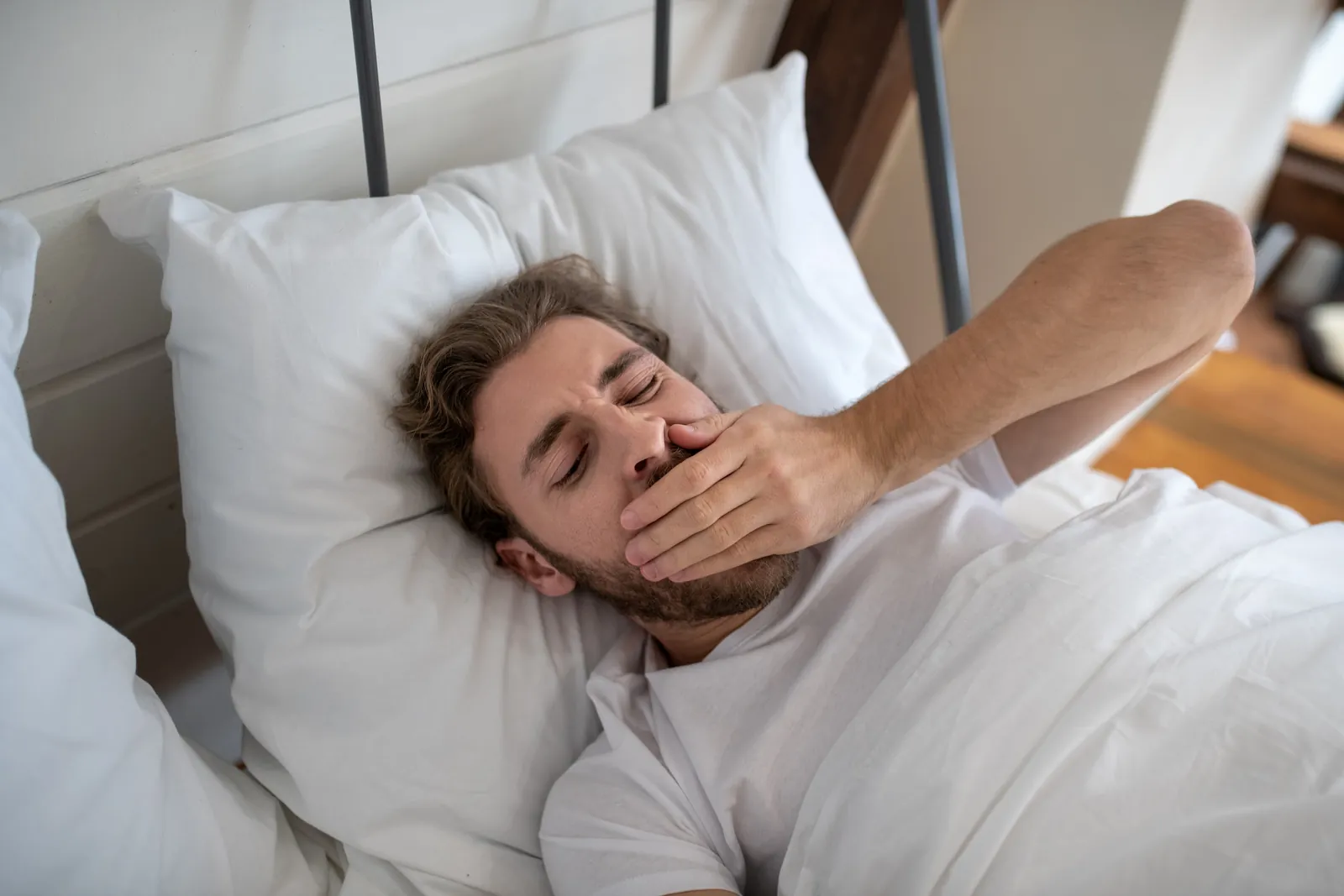
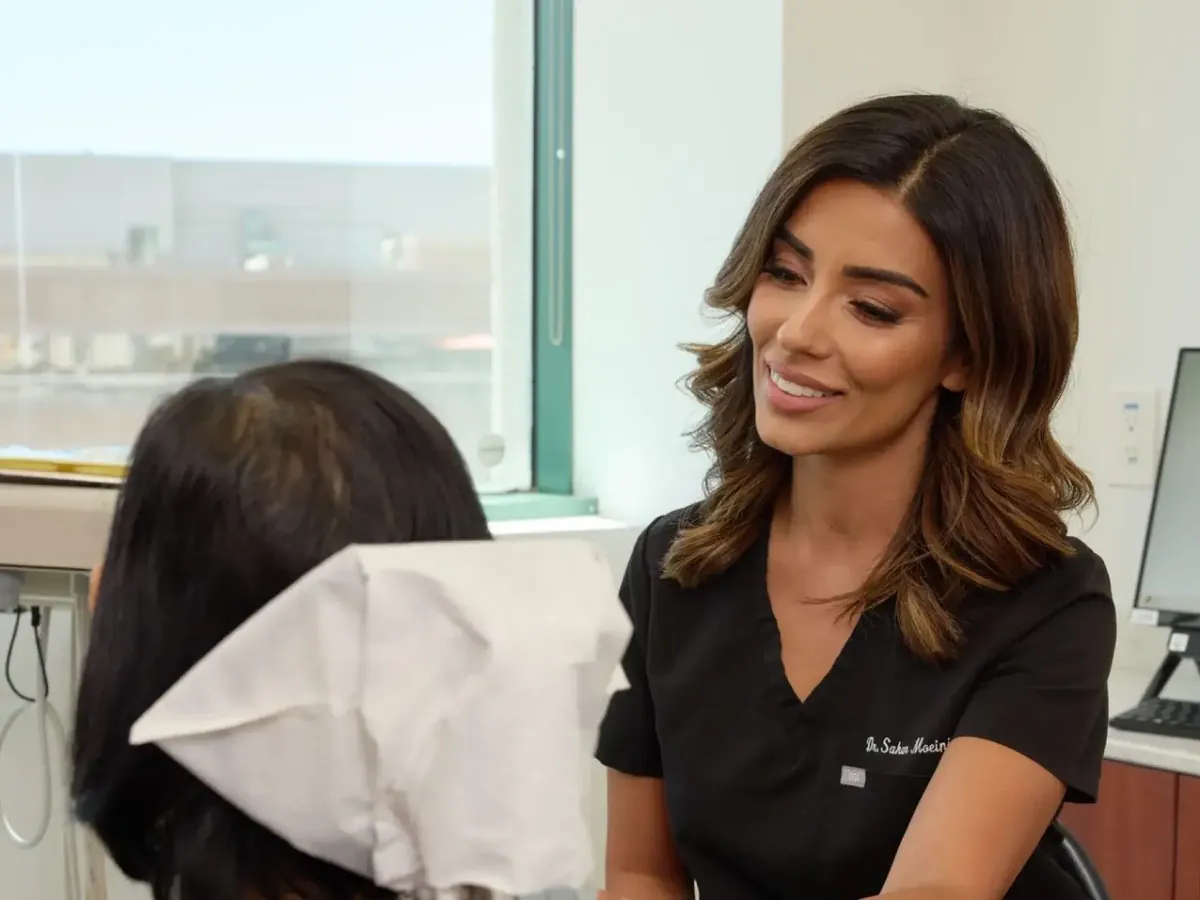
At Solace Dentistry in Los Angeles, CA, Dr. Sahar Moeini provides personalized evaluation and treatment for temporomandibular disorders (TMD), which affect the jaw joints and surrounding muscles. Symptoms may include jaw pain or tenderness, clicking or popping, limited jaw movement, facial discomfort, headaches, or pain while chewing. Because these symptoms can have different causes, Dr. Moeini takes a comprehensive approach that considers your jaw movement, bite, teeth, muscles, and individual symptoms before recommending care. Depending on your diagnosis, TMJ treatment may include a custom oral appliance, conservative therapies, lifestyle modifications, or other appropriate options to improve comfort and jaw function.
- Category
- Specialized Dental Care
- Office
- Miracle Mile, Los Angeles
- Financing
- CareCredit® accepted

Frequently Asked Questions
How do I know if I have a TMJ disorder?
Common symptoms include jaw pain, tenderness, clicking or popping, difficulty opening your mouth, discomfort while chewing, jaw locking, facial pain, or recurring headaches. A professional evaluation can help determine the cause.
Can teeth grinding cause TMJ pain?
Teeth grinding and jaw clenching can place additional stress on the jaw muscles, teeth, and temporomandibular joints. Dr. Sahar Moeini can evaluate for signs of bruxism and determine whether it may be contributing to your symptoms.
Can a nightguard help with TMJ symptoms?
A custom oral appliance may help certain patients by protecting the teeth from grinding and managing forces associated with clenching. Whether an appliance is appropriate depends on the cause of your symptoms and your bite.
Can stress make TMJ symptoms worse?
Stress may contribute to jaw clenching or muscle tension in some patients, potentially aggravating TMD symptoms. Identifying these habits can be an important part of a comprehensive TMJ treatment plan.
Will I need surgery for a TMJ disorder?
Most patients with TMD do not automatically require surgery. Treatment depends on the diagnosis and severity of the condition, and conservative approaches are often considered before more invasive options when clinically appropriate.